
Hello, and welcome to The Crush Bar, a newsletter about theatre by Fergus Morgan.
This is the free Friday issue, which usually contains an interview with a theatremaker or an essay on a theatre-related topic. This week, though, I have assembled a panel of experts to answer readers’ questions about the Edinburgh Fringe, which kicks off in five weeks. After that, there’s your usual three show recommendations for next week.
In case you missed it, here is this week’s issue of Shouts and Murmurs, which is a weekly round-up of theatrical news, reviews, interviews and other articles…

You can get Shouts and Murmurs straight in your inbox every Tuesday - and help keep this newsletter going! - by signing up as a paid supporter of The Crush Bar.
Theatres, companies, agencies and other organisations can also sign-up as champion supporters of The Crush Bar, which gets their name in this dedicated tab on The Crush Bar’s Substack homepage and in the footer of every Friday issue, plus full access to The Crush Bar and Shouts and Murmurs for ten different emails.
One last thing: The Crush Bar is off on a two-week pre-Edinburgh Fringe holiday from today. When it returns in mid-July, the newsletter will be focussed on the festival for several weeks. Regular programming will resume in mid-September, probably.
This issue of is sponsored by FullHouse. Find out about advertising with The Crush Bar here.
Love theatre? Join our community of fellow theatre lovers.
FullHouse is the theatre industry’s latest discovery platform - an interactive digital database that allows you to learn more about shows you love, old and new. With FullHouse, artists and audiences alike can view and contribute production credits, create their own theatre diary and discover what’s coming next from the artists and venues they just can’t wait to see again.
Join us today at fullhouse.me
Two weeks ago, I asked readers for their questions about the Edinburgh Fringe.
They could be about anything, from the best strategies to sell tickets, to the big issues affecting accessibility, to the smartest way of soliciting reviews, to the ideal spot to have a coffee/meal/breakdown. I promised to then assemble a panel of experts from my extensive network of contacts to field them. You responded in your droves - well, some of you sent some over and I was enterprising enough to source more via other means - saving me the ignominy of having to make any up. Now for the answers.
My panel: comedy critic and artistic director Brian Logan; PR guru Chloe Nelkin; Fringe Society honcho Chris Snow; Summerhall producer and programmer Tom Forster; producers Francesca Moody and Ellie Keel; theatre critics Natasha Tripney and Kate Wyver; experienced comedians Stuart Goldsmith and David Hoare; and my wife. Below, they - and I, a bit - respond to your festival-related enquiries.

What do most people forget to do in preparation for putting on a show at the Edinburgh Fringe? - Gail Thomas, Patient 13, Zoo Playground
David Hoare: Travelling to the Edinburgh Fringe is knackering so don't overdo it when you arrive. Try and make the show something you look forward to performing everyday. Always believe the people in the audience who are enjoying it.
Chloe Nelkin: One of the biggest mistakes is trying to do everything at once. There’s a huge amount to organise so take a moment to breathe and work through your to-do list. The Fringe is a marathon, not a sprint. Not everything has to happen on day one.
Chris Snow: In the buzz and intensity of the festival run-up, it can be easy to lose track of what success at the Fringe looks like for you, so I’d say goal-setting. Zoom out and consider your actual ambitions. Take a second to decide what your ‘why’ is, and keep it at the front of your mind to guide all the decisions you make from then on.
Stuart Goldsmith: Before coming up, I’d highly recommend interviewing a few normal people about how important the Edinburgh Fringe is to them. You’ll probably find people will have only vaguely heard of it, or not really know much about it. It’s easy to lose your mind up here and think every decision is the most important one in the world, but a good mindset and a healthy sense that you’re really only there to work hard and enjoy yourself, plus the perspective that comes from someone you respect telling you beforehand they couldn’t care less about it, will keep your head straight.
What are the top five places to curl up in the foetal position and question your choices in life? - Matt Baram and Naomi Snieckus, Big Stuff, Assembly Roxy
Stuart Goldsmith: I usually go for: my bed, my sofa (my bed), the gutter, the lobby of the Radisson Hotel, or a different bit of gutter.
Tom Forster: The Hopetoun Monument, Haddington EH41 3SJ
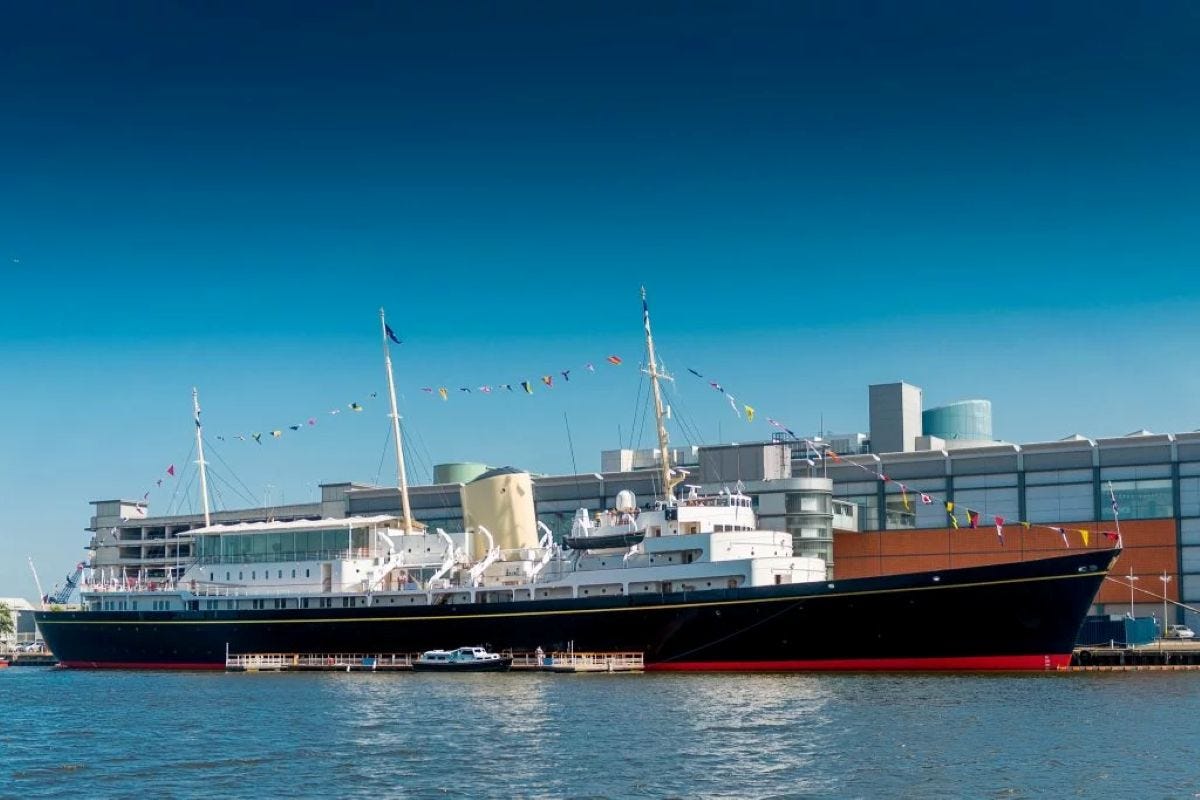
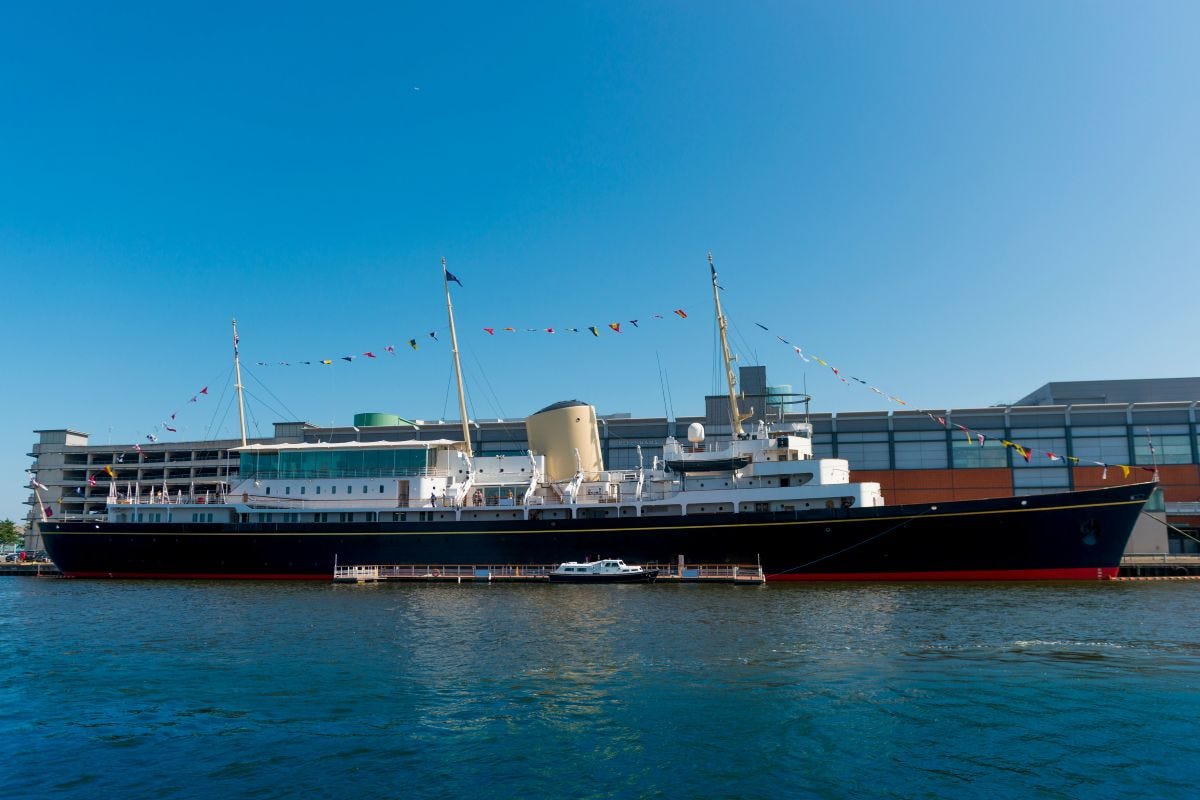
Wife: Soul Water Sauna in Granton, where there is a choice of two saunas, a plunge bucket, and the sea. The Scottish National Gallery, where you can cry for free in front of classics such as The Skating Minister. The Last Word in Stockbridge, where you can order an old-fashioned and curl up next to the fire. The queue for Lannan, for a sense belonging to something bigger than yourself. The Royal Yacht Britannia.
How can a lesser-known show by a relatively unknown artist break through the noise and get reviewers in seats early, without coming across as spammy? - Chris Sanderson and McKenzie Millican, B*tch Eat Dog, Greenside @ George Street
Brian Logan: My advice would be to make the show really good. Word of mouth helps bring things to our attention. At a festival with thousands of shows, it pays to have a hook – some newsy or eye-catching quality or content that arrests the attention or otherwise distinguishes it from the crowd. If I read an email or a press release that makes me go, ‘I never knew theatre/comedy could do /that/!’ - some element of form or content that I’ve not encountered before; some element that looks excitingly write-able about - then I’ll be far more likely to come. I try to make a point of not being led, or minimising the degree to which I’m led, by PRs and paid-for publicity, and am actively seeking encouragement to deviate from that path. But there’s no point pretending it doesn’t plot reviewers’ course to a substantial degree.
Natasha Tripney: In an ideal world, this is what critics should be doing at the fringe, right? Watching widely and finding gems. But, in truth, critics do tend to follow the buzz - and each other. It’s also often their editors who call the shots in terms of what they get to cover, not the critics themselves, though some critics may still have scope to take a punt on something, so it’s worth tailoring your approach, knowing a critic’s interests and conveying to them what why your show might be up their street. I would stick to email though. Don’t pester Lyn Gardner while she’s having her lunch.
Tom Forster: Personalise the email, read their historic reviews, explain why that reviewer specifically should come see your show. Follow up, once, next week. Move on.
Chloe Nelkin: Be clear about what makes your show stand out. Reviewers receive hundreds of emails so you need to be able to explain in a sentence or two why your show is worth their time. It’s also important to remember that reviewers programme their months differently and not everyone can see your show in the first week. If someone hasn’t booked immediately, don’t assume they’re not interested. Equally, if you’ve followed up once or twice and haven’t had a response, it’s best to move on.
Where is the best place to connect with nature during the Fringe? - Gail Thomas, Patient 13, Zoo Playground
Stuart Goldsmith: To connect with nature within five minutess of your festival-induced panic attack, just head to the roof garden of the Museum of Scotland on Chambers Street. It isn’t technically a secret but it’s near to impossible to find your way up there, and the staff like to pretend it doesn’t exist. You have to throw yourself confidently at an unmarked door, like some sort of adolescent magician.
Wife: The Botanic Gardens and Inverleith Park: check out the albino duck in the pond. The Water of Leith: walk upstream from Stockbridge, past the tourists at Dean Bridge, where it gets even nicer. The Crags, the cool kids’ alternative to Arthur’s Seat, where you can sometimes see skylarks. And the Royal Yacht Britannia.
What is the best way to get butts in seats early in your run? This is our first time at the Fringe and we’ve done everything we can think of: bought extensive outdoor advertising, leveraged our social following, hired PR, and arranged aggressive papering for the first week. Our show is great, we just need to make sure people see it! - Maria Bartholdi, Endometriosis: The Musical, Gilded Balloon Patter House
Francesca Moody: Strategically hand out tickets to your show. Focus on other artists and staff from the venues, as they’ll talk your show up if they like it. Think about taxi drivers and hair dressers, too, as they’re much more likely to recommend your show to strangers. As soon as you’ve had press in - and assuming you get good reviews - make sure you get your stars/quotes printed and on flyers/posters. It’s inevitable that audiences are drawn to things they can see have already had a stamp of approval.
Chloe Nelkin: It sounds like you’ve built a really strong campaign. If budget allows, advertising in publications such as The List or Fest can reinforce awareness. I’d also look beyond traditional marketing and think about how your show connects with Edinburgh itself. Are there community groups, charities, businesses or organisations linked to your themes that could help spread the word? Finally, don’t underestimate word of mouth. A packed first few performances, enthusiastic audiences and strong recommendations remain some of the most powerful marketing tools at the Fringe.
David Hoare: Flyer hard. Get your friends in. Film audience reactions to your show.
Our show is based on the $6 million sale of Maurizio Cattelan's Comedian (that banana duct-taped to a wall). This Fringe, we will be taping ourselves to a wall every night, but we’re unsure if the top dogs from Sotheby's realise this is their next big sale. What parties do we have to crash to get a high-art sugar daddy to buy us and/or breakfast? - Georgie Llewellyn, How To Art, Underbelly Cowgate
Editor: I think you can interpret this question as: ‘What is the best strategy for connecting producers and programmers at the festival?’
Chris Snow: Spend time at Fringe Central, go to the networking events, and make use of Fringe Marketplace. Talk to your venue and the Fringe Society team about who you should be inviting and how to reach them. Our accreditation might be less directly focused on attracting high-art sugar daddies and more on supporting programmers and producers, but I'm sure we can help find someone to buy you a croissant.
Francesca Moody: You should try and crash the FMP/Shedinburgh launch party of course! But on a serious note, get yourself a free ticket to one of the ShedX talks, especially How to Produce a Fringe Hit or How to navigate the UK touring network. There are bound to be loads of useful people floating around those events.
Editor: also come to How to Get a Five-Star Review at Fringe, hosted by my good friend Tim Bano and featuring valuable insights from the likes of me.
Ellie Keel: Draw up a list of people and places you’d like to be in touch with and contact them nice and early, with a concise press release or e-flyer attached. Try to avoid long, waffly emails and be concise and punchy. You can follow up twice after the initial contact, and once at the start of the festival if you haven’t heard anything. Be clear about what you’re looking for. A transfer? A tour slot? Investment? Just a chat? There are also various mixer events organised by the Fringe and individual venues, which can be a useful forum for meeting new contacts.
It’ll be my husband’s birthday in the middle of the Fringe. Where should we go for a fabulous family celebration lunch? - Laura Corcoran, Frisky’s Remix Roulette, Assembly Rooms
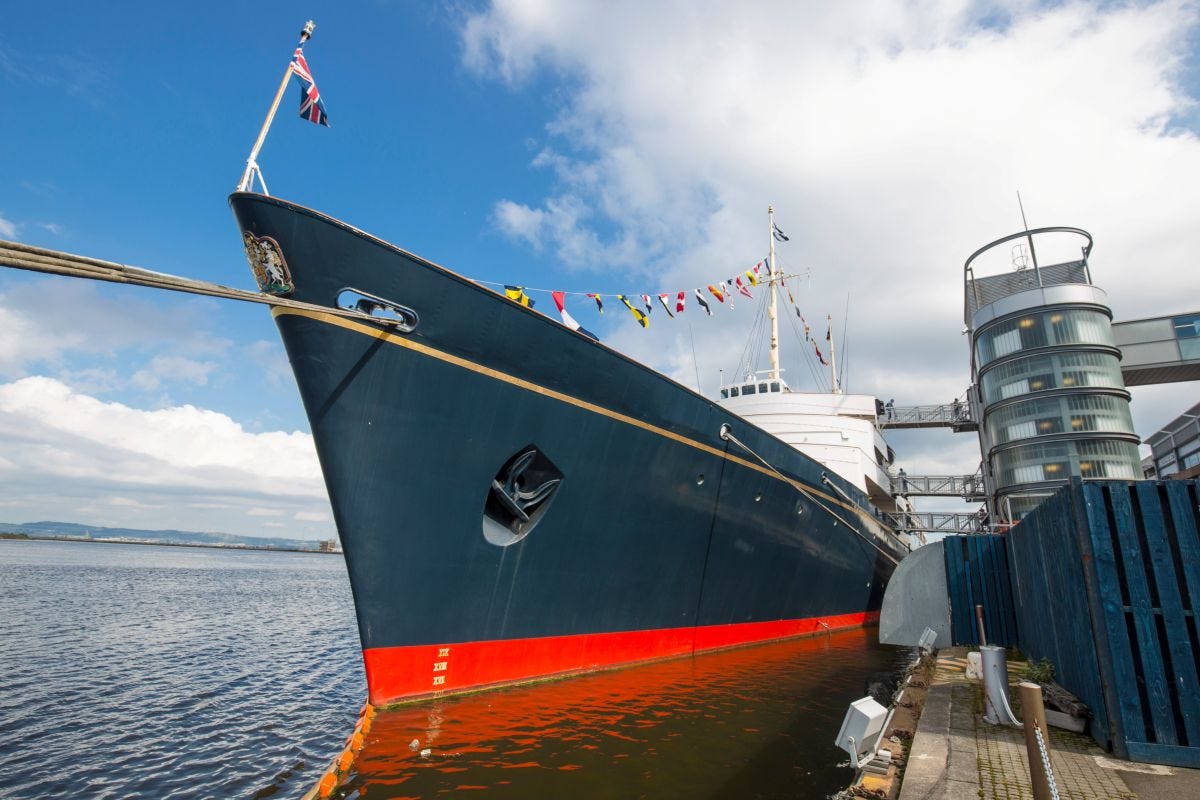
Wife: The Outsider, Baba, Mother India, Spitaki, Tipo. Pepe Nero. Or The Fingal, the floating restaurant connected to the Royal Yacht Britannia.
When does a show stop being “well-made” and start being unforgettable? - Nadia P Manzoor, Jerk Off!, Underbelly Bristo Square
Natasha Tripney: It depends on what you mean by unforgettable here. It’s often the ‘what the fuck was that?’ shows that stick in the memory. The more out-there experimental stuff. The shows that take big swings. These are not always the ‘best’ shows, but they are the ones you end up talking about days and sometimes years later. The Fringe used to be the place to find that kind of work, but increasingly – for completely understandable reasons – people are less willing to take those risks.
Kate Wyver: The obvious answer is when it does something to stick to your conversations beyond the Fringe, when it comes back home on the train with you and makes you want to talk about it to people who don’t give a shit about the festival. There’s no one perfect thing that makes a show achieve that, but when you get it, I think it’s obvious. For the audience, it’s a feeling of awe that you got to be there, in that room, at that moment. A lot of shows are well-made but if you had to leave halfway through for some reason, you wouldn’t be too upset. With an unforgettable show, you would drop everything to get back in the room.
Editor: I’ll have a stab at this one, too. For me, an unforgettable, five-star show is less to do with the slickness of the staging or the quality of the space or anything like that. It is to do with insightful, stop-you-in-your-tracks ideas or sentiments being expressed in original, provocative style. Take perhaps the most famous of all Fringe successes, Rosencrantz and Guildenstern Are Dead. In her biography of Stoppard - yep, still reading it - Hermione Lee writes: “The ‘World Premiere’ of a play which was written for a big stage, with trapdoors and ‘other refinements,’ opened on 24 August 1966 in a small crumbling Fringe venue, the Cranston Street Hall, with a stage ‘the size of a ping-pong table.’” Plenty didn’t get it, but The Observer’s Ronald Bryden was entranced by Stoppard’s wit and imagination, despite the staging. He wrote a glowing review. Kenneth Tynan read it. Within a year, the play was running at the Old Vic.
As prices inflate at the Edinburgh Fringe, what can be done to ensure working-class artists’ voices are still present at the festival without totally ruining themselves in the process? - Malaika Kegode and Jenny Davies, Badgers, Traverse Theatre
Chris Snow: As costs rise, Fringe artists and venues really need financial support to maintain the open-access principle of the festival. Keep It Fringe has distributed 410 grants over the past few years and is intended to support artists who face barriers to participation. Over a third of those awarded have come from a working-class background. But this year we’ve only been able to secure funding to offer 16 grants, which is obviously very disappointing. While it isn’t the answer to everything, it is an example of a scheme - there are others across the Fringe - that tries to help address this issue. There are ways to take part in the festival at a lower cost, particularly through the brilliant Free Fringe routes, but really the answer has to be in funding.
Editor: I’ll chip in here, too. The primary obstacle for everyone coming to the Fringe, artists and audiences, is the cost of staying in the city during August. Tackling that is a fraught process, though, because the need for temporary accommodation for festival participants has to be balanced with the imperative to alleviate the year-round housing crisis caused by Edinburgh’s AirBnB-ification. That said, there are things that could be done to improve the situation, like unlocking more digs as the Fringe Society has done with Queen Margaret University, or increasing supply by streamlining the council process through which locals can get permission to let out rooms over the summer. I would like to see a new campaign from all stakeholders to encourage Edinburgh residents to put up participants for free, too. The relationship between festival and city should be culturally enriching, not financially exploitative.
How do you see the festival evolving over the years? - Karen Toftegaard, #DANISH Showcase
Brian Logan: In the thirty years I’ve covered it, it’s become more expensive for artists and audiences. It kept getting bigger and bigger, and kept boasting about it, until Covid halted that for a while. The balance between theatre and comedy tilted in the latter’s favour. Week zero became a thing, alas, making a long festival longer still. Geographically, it migrated away from the New Town to a regrettable degree. Its profile in the wider UK media significantly declined. But the continuities are just as striking as the changes. Notwithstanding the severe issues around cost and accessibility, it remains the only place to be in August for people who love the performing arts, and an absolutely overwhelming and thrilling carnival of creativity, self-assertion and dreaming. And as for the future, who knows? I hope the city of Edinburgh acts to ensure its golden goose doesn’t get throttled to death, by helping more to make it affordable for everyone. I have faith that the spirit of can-do and of experimentalism can maintain their delicate balance with the commercial imperative.
Chris Snow: I hope that the barriers to artists taking part - particularly the financial ones - start to get lighter, so the festival remains truly open-access. If that can happen then I think its future as an incredible place to launch and develop work is secure. I still feel that the earliest insight audiences can get into what the performing arts will look like in the coming years, what artists will write about and what sort of work we’ll see around the world, is glimpsed at the Fringe. It’s where ideas and artistic careers are born, where the next voices will emerge from and where hugely established artists and companies will return again and again to share their work with the world.
Editor: Two quick thoughts from me here, too. Firstly, when it comes to recent history, the Fringe has pivoted hard towards America in recent years, for various reasons, partly due to some intentional manoeuvres towards artists and industry stateside, partly because of increased visibility through social media and hit shows like Fleabag, and partly because there are simply deeper pockets on the other side of the Atlantic. Secondly, in terms of future developments, the use of data-driven, AI-assisted tools to help artists and audiences navigate the festival is going to become more common. There is a mountain of data stretching back over a decade on everything from audience behaviour to successful titles sat in the Fringe Society box-office. If that can be utilised responsibly, it could provide countless helpful insights.
If you could tell international artists to stop doing one thing and start doing another what would it be? - Lee Minora, Baby Everything, Summerhall
Editor: Stop touching Greyfriars Bobby’s nose. Start supporting The Crush Bar.
Is it true you can get haggis in your burrito and if so what is the best place to get a haggis burrito? - Drew Lausch, Friendliest, Gilded Balloon Teviot
Wife: I have no idea as I am a vegetarian, but they might do it at Bonnie Burrito on South Clerk Street. There’s also a great café opposite the Royal Yacht Britannia.
Three shows to see next week
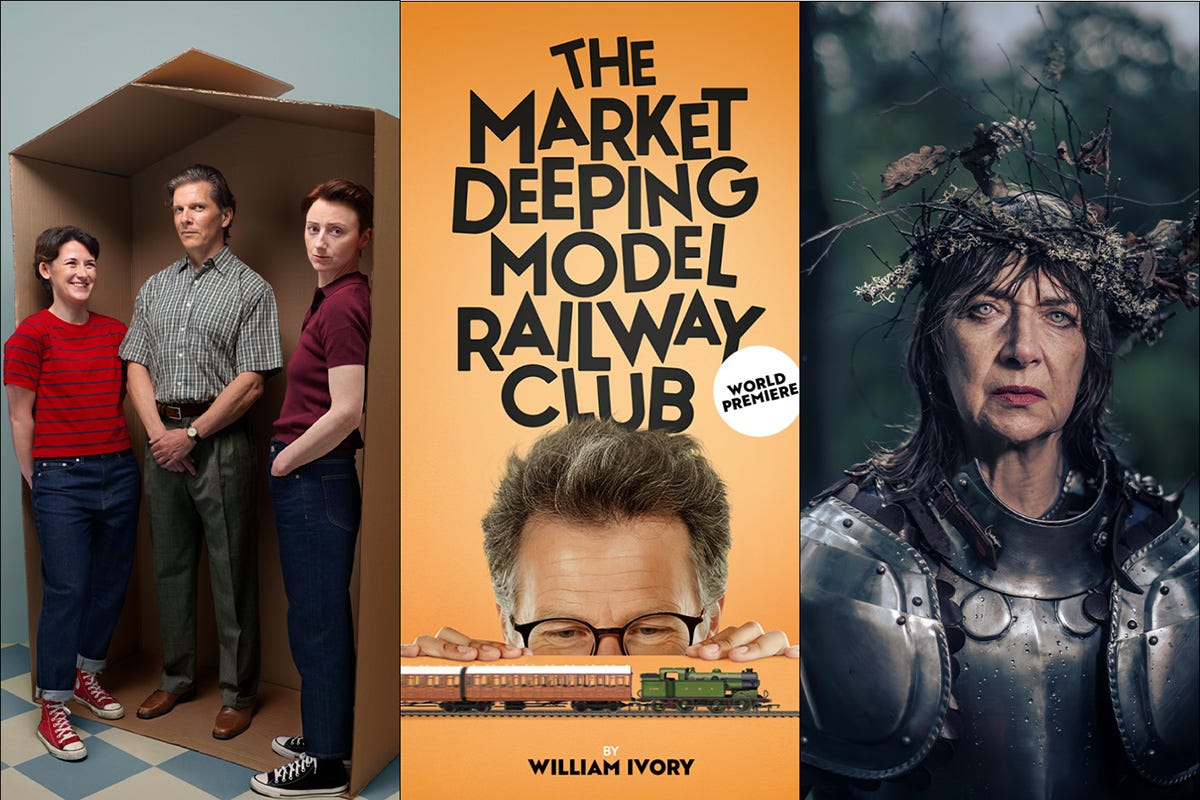
The Market Deeping Model Railway Club - Nottingham Playhouse, until July 25
In May 2019, a group of teenagers drank a bottle of vodka then trashed a model railway exhibition in Stamford worth £30,000. A subsequent appeal raised over £100,000 - including £10,000 from model railway enthusiast Sir Rod Stewart - which partly went towards restoring the layouts and partly towards projects engaging young people in modelling. That heart-breaking, heart-warming story has now been turned into a play by William Ivory in Nottingham, directed by Adam Penford and starring - who else? - Adrian Scarborough. You can get tickets via the button below.
Fun Home - Royal Exchange, Manchester, until August 1
At last. Jeanine Tesori and Lisa Kron’s musical adaptation of cartoonist Alison Bechdel’s - yep, of Bechdel test fame - graphic memoir Fun Home won five Tony Awards for its Broadway run back in 2015, then earned three Olivier Award nods when it arrived at the Young Vic in 2018. Clamours for a West End transfer went unanswered back then. Now, though, there is a new production in Manchester, directed by Sarah Frankcom. You can get tickets via the button below.
Lear - Pitlochry Festival Theatre, until August 1
Alan Cumming’s first season at the Perthshire venue continues with director Finn Den Hertog’s take on Shakespeare’s King Lear, with Maureen Beattie in the gender-swapped title role, Forbes Masson as Gloucester, and Ailsa Davidson intriguingly doubling as both Cordelia and the Fool. You can get tickets via the button below.
Thanks for reading and supporting The Crush Bar
Thanks to all 5074 subscribers and paid supporters, and particularly to The Crush Bar’s champion supporters, whose contributions make all this possible…
The Royal Court Theatre, Francesca Moody Productions, Raw Material Arts, Jermyn Street Theatre; Hampstead Theatre; Storytelling PR; Premier Scotland; Ellie Keel Productions; The Women’s Prize For Playwriting
Your organisation can become a champion supporter of The Crush Bar, join that list, and help keep its independent coverage of theatre going via the button below.
That is it for this week. If you want to get in touch about anything raised in this issue - or anything at all - just reply to this newsletter.
Fergus
Wow - thank you so much for taking the time to answer Chris's and my question! As first-time Fringe producers (aka two friends with a spreadsheet and a dream), we are geeking out getting some insight from this line-up of people we've followed for eons. We've also booked Tim's Shedinburgh event about criticism. We won't bug Lyn at lunch, we pledge!!